Career Pathways stories
Two AI devices named Ann and Fry have enrolled at Ferris State University in Michigan, USA, to study alongside humans and push the boundaries of AI education and technology.
From government agencies to public initiatives, here's an inside look at who protects New Zealand's digital landscape from cyber threats.
New Zealand-based Take2 empowers parolees and ex-offenders by teaching web coding and software development, securing an 88% employment success rate within six months.
A long-standing skills gap in hydraulics and pneumatics is easing as the first NZQA-approved fluid power qualification opens new career paths in New Zealand.
Ahead of International Women's Day, industry figures highlight the importance of gender parity and diversity in cybersecurity, promoting accessible career pathways and mentorship schemes.
The edtech industry continues to evolve as a promising avenue for women to realise their full potential through various roles.
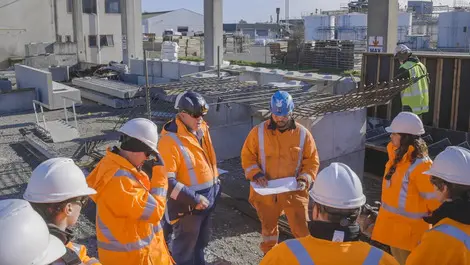
Women still account for only 15% of construction workers, despite the number almost doubling since 2013.
Canon Oceania aligns with The Smith Family charity for a Corporate Social Responsibility partnership, offering educational aid to disadvantaged Australian children, echoing Canon's Kyosei philosophy.
Western Sydney University undergraduate students gain real-world experience working on research and design projects, thanks to a partnership with Western Sydney International Airport and DXC Technology.
A new framework aims to fill a training gap for health and safety representatives and give employers a clearer path for development.
New research warns freight delays and higher consumer prices loom as New Zealand’s logistics worker gap is projected to quadruple by 2028.
Skills shortages, weather damage and rising costs are squeezing construction firms as Waihanga Ara Rau outlines priorities for the next 18 months.
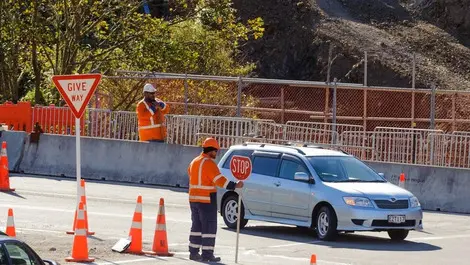
Road workers could soon gain formal recognition, as a new credential framework links temporary traffic control training to NZQF qualifications.
Skills shortages are slowing growth across New Zealand's $18.8 billion tech sector, despite easier visa access for overseas talent.
School leavers could miss out on 2,000-plus training options, with fire detection apprenticeships offering paid skills and no debt.
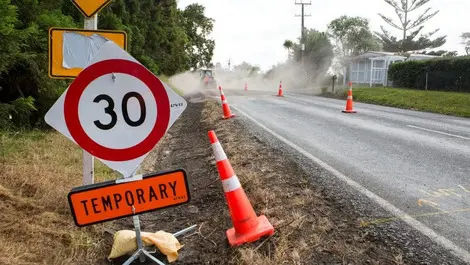
Road contractors face new duties as New Zealand shifts temporary traffic management from compliance rules to risk-based controls.
With 44,000 extra workers needed, New Zealand infrastructure firms are courting schoolgirls to fill trade and technical shortages.
New Zealand risks missing its infrastructure build-out unless it creates clearer entry points and training for civil construction workers.
Job seekers in Manawatū will start a six-week infrastructure course in November, with trainees employed by firms from day one.
Trainees in Christchurch will get hands-on skills and employer mentoring as the sector tries to fill New Zealand’s infrastructure shortage.