Carbon footprint stories
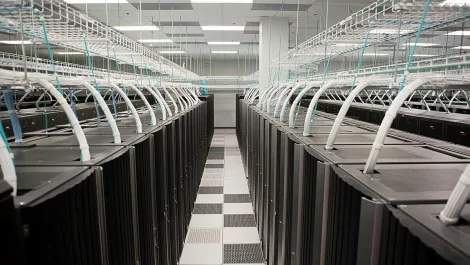
HPE, academia and industry have launched a data centre efficiency label to decarbonise data centres and significantly reduce their energy consumption.
CarbonClick CPO, Jan Ivar Czaplicki, has been named International Michael Page Innovator of the Year for 2019.
Vertiv has achieved ISO 14001:2015 certification for environmental management across its ANZ offices and warehouses, enhancing its sustainability credentials.
Much has been said of the environmental impact of data centres, and now NEXTDC is looking to do its part in curbing its own contribution.
NEXTDC achieves a milestone, becoming Australia's first carbon neutral data centre operator by partnering with Qantas Future Planet for carbon offset credits.
VMware has achieved carbon neutrality two years ahead of schedule, through a combination of energy efficiency initiatives and renewable energy projects.
Investors may pour more money into low-carbon projects this year, but election outcomes and climate shocks could still slow decarbonisation.
Rising visitor numbers are putting New Zealand’s lakes, tracks and towns under strain, with a watchdog warning current policy will not curb damage.
Mass timber is opening up faster, cheaper projects across Australia, with new code changes and local supply widening its use beyond niche builds.
Rural farms could cut power bills and earn extra income as a new on-site biogas and solar system turns waste into electricity and fertiliser.
Sensors, drones and automation are reshaping building upkeep, with smarter systems promising lower costs and better occupant comfort.
Insect bioconversion could turn millions of tonnes of food waste into animal feed, biodiesel and packaging materials, while cutting emissions.
New draft carbon standards and a new expo zone will give New Zealand building owners practical steps towards net zero by 2050.
Kiwi startup ZeroC is revolutionising electric transport with zero carbon services, already reducing 160 KG of CO2 and aiming for nationwide expansion.
Government procurement may soon favour firms able to prove their contribution to wellbeing, putting traditional industries under pressure to adapt.
Pragmatic solutions are needed to cut waste, trim compliance costs and keep safety goals intact as prescriptive rules prove too rigid.
The Oakey beef plant has cut natural gas use and wastewater odours, with biogas output now helping to offset drought-hit operating costs.
Families in Washington will soon have a third funeral option after state lawmakers approved transforming human remains into soil for gardens.
Businesses are cutting landfill charges and transport costs as a Sydney plant turns commercial food waste into fertiliser and green energy.
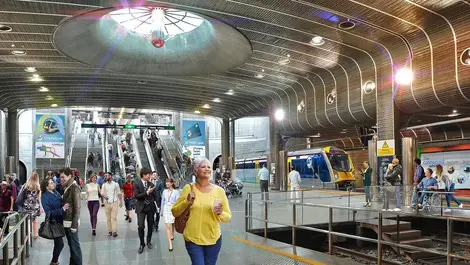
Auckland’s rail link has cut construction waste and emissions sharply, showing big infrastructure can hit sustainability targets while easing congestion.