

Tarun Chugh says drones can boost rural jobs & farming
Tue, 7th Jul 2026
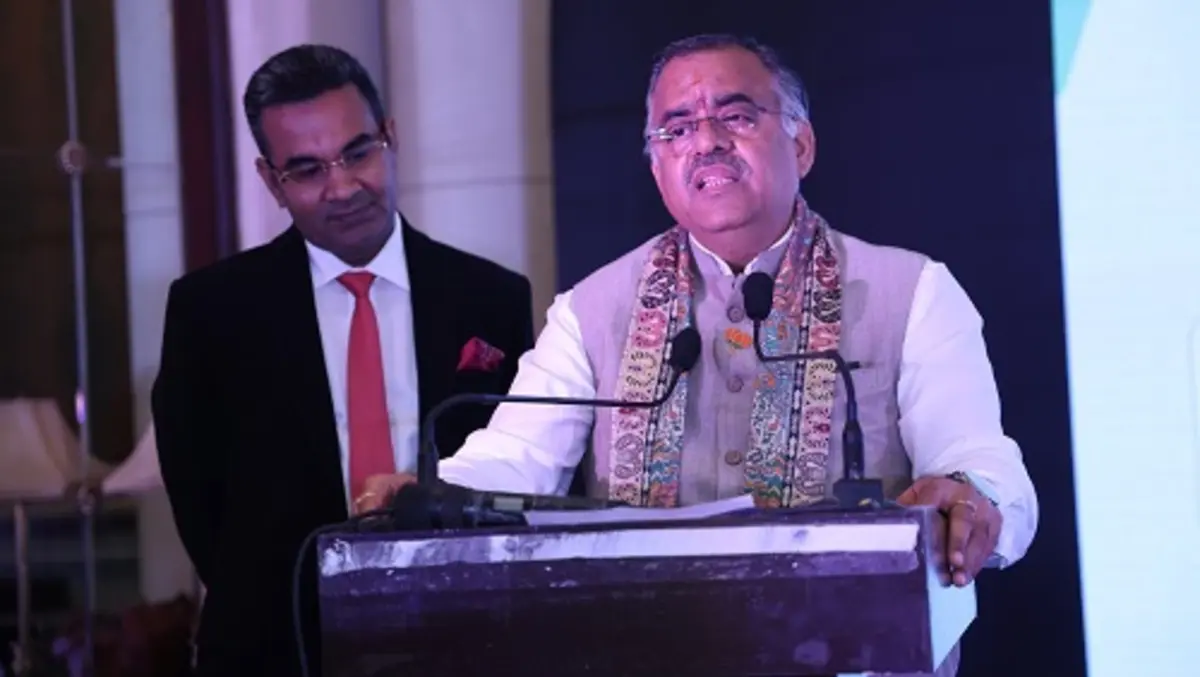
Tarun Chugh addressed the National Drone Summit 2026 in New Delhi, saying drone technology could transform rural India, agriculture and youth employment.
Speaking as chief guest, the Bharatiya Janata Party National General Secretary and Rajya Sabha member of Parliament said drones had moved beyond modern technology to become a practical tool for agriculture and the rural economy.
He linked the spread of drone use to a broader push to bring modern technology to villages. Development, he said, would fulfil its purpose only when its benefits reached every village. He argued that farming could gain from crop monitoring, precision spraying and lower operating costs.
According to his remarks, these uses could raise productivity, improve resource efficiency and make agriculture more profitable. He also said drones could support employment and self-employment for young people if backed by skill development and specialised training.
"India today stands as a strong global power and drones are no longer just a modern technology. They have become an effective tool for making agriculture more scientific, strengthening the rural economy and creating new opportunities for the country's youth," said Tarun Chugh, National General Secretary, Bharatiya Janata Party.
He also placed the technology within a broader policy agenda, saying cooperation had long underpinned India's development path and that combining it with advanced technology could open new economic opportunities at the grassroots.
Beyond farming
His remarks extended beyond agriculture to other public and commercial uses. He cited disaster management, healthcare, infrastructure, security, logistics and public services as areas where drones could play a larger role.
The summit brought together participants from government, industry, cooperative institutions, the agriculture sector, startups and rural communities under the theme "From Policy to Prosperity".
Chugh said India should strengthen its global standing by encouraging innovation and skill development across these sectors. He also linked drones and cooperative structures to Prime Minister Narendra Modi's Viksit Bharat 2047 vision.
"The true purpose of development will be fulfilled only when the benefits of modern technology reach every village," said Chugh.
Three initiatives
The summit concluded with the launch of three national initiatives focused on the drone sector. They included Drone Tech Multi-State Cooperative Society, which organisers described as India's first sector-focused multi-state cooperative for the drone industry.
A second programme, National Mission 1 Panchayat 1 Drone Udyami, aims to develop drone entrepreneurs across two lakh agriculture-based panchayats over five years. A third initiative will establish 75 Advanced Skill Centres for training in drone technology and other emerging fields.
The event was organised by Drone Tech Multi-State Cooperative Society in collaboration with the National Skill Development Corporation. It was presented as part of a broader effort to build skills, create a rural business base and connect policy goals with local implementation.
Founder and Chairman Deep Sihag Sisai was identified as the initiator of the summit. Organisers presented the meeting as a platform to connect state policy, industry development, cooperative structures and rural adoption of drone services.
The scale of the panchayat mission suggests an effort to build a distributed service network closely tied to agriculture. If implemented as outlined, it would create a structure for local drone operators in farming communities while linking training centres to employment pathways.
Chugh's comments reflected growing policy interest in using drones not only for productivity gains but also for rural workforce development. In this framing, the technology is being treated as both a farm input and a source of skilled work for young people in smaller towns and villages.
He repeatedly returned to the link between technology adoption and social impact. "Technology becomes truly meaningful only when it empowers youth to become self-reliant and brings positive change to their lives," he said.