Radio access network (RAN) stories
Operators want to avoid costly 6G roll-outs, with NGMN saying any migration path must minimise hardware changes and complexity.
Mission-critical users could get more reliable service as Verizon says full-network slicing beats separate physical cores for 5G traffic.
The recognition highlights telecoms' shift towards customer- and revenue-led fault handling as operators juggle 5G, cloud and edge networks.
Operators can now compare middle-mile build costs across fibre, microwave and optical wireless as data demand and AI workloads reshape networks.
A new benchmark and shared guidance aim to help telecom operators turn scattered AI pilots into large-scale deployments across their networks.
Public safety, enterprise mobility and neutral host deployments were among the winners as the forum highlighted live commercial use of small-cell technology.
Operators risk higher costs and fragmented networks unless 6G migration is simplified, with standards still expected in the early 2030s.
Operators are shifting towards AI, satellite links and embedded security as telecom and IoT networking converge with compute and device control.
Commercial satellite services are moving into the mainstream, with direct-to-device deals now outpacing rural broadband in GSA's latest tally.
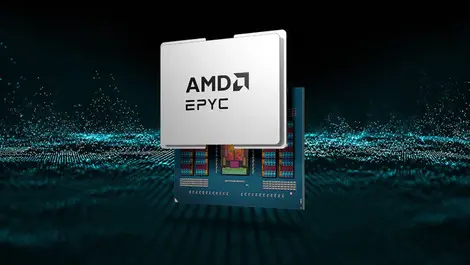
The new single-socket range targets space- and power-constrained deployments, from 5G networks to store-level AI and cloud storage.
Customers could see faster upgrades and lower duplication costs as regulators weigh a joint mobile network venture that may reshape New Zealand telecoms.
The result could help shape spectrum policy, as the trial showed upper 6GHz can deliver practical coverage and higher capacity for future mobile services.
The move could lower technical risk for sovereign satellite networks as Eclipse targets direct-to-device and broadband services from one platform.
Rising demand for enterprise and outdoor networks is set to lift annual small cell shipments to 9.8 million units by 2031.
Customers could regain service faster during outages, as Optus says the trial restored up to 50% of affected mobile connections.
The deal will embed Claude across UST's client systems and internal workflows, as the services firm trains 20,000 staff worldwide on the AI model.
Regional users should see fewer weather-related dropouts after the network gained autonomous service assurance for its fixed wireless service.
Operators could cut energy use and congestion as the new tools aim to automate 5G network tasks across multivendor setups.
The listing gives Antevia a quicker route into tightly controlled UK supply chains, easing procurement for its private 5G network offering.
Control of the merged UK mobile venture gives Vodafone a freer hand as regulators monitor competition safeguards and network investment promises.