Decarbonisation stories
Weak planning, funding and governance are leaving New Zealand unable to deliver the wider public outcomes it now says it wants.
Even an ideal recycling system would cut plastics-sector emissions by only 14% by 2050, leaving major producers still far from net zero.
Sweeping planning and infrastructure reforms could speed housing and business land supply, although transport pricing still awaits progress.
New Zealand’s shift away from fossil fuels has a dedicated national hub, as Ara Ake opens to test clean energy options for wider uptake.
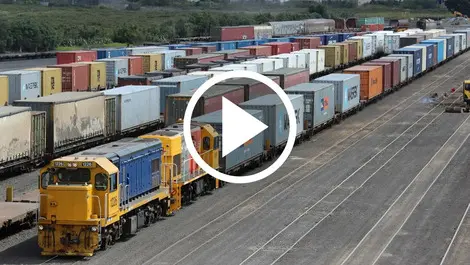
The site could draw USD $2 billion to USD $4 billion in logistics investment and ease freight congestion around Palmerston North.
Consumers faced an extra USD $80 million bill as the Electricity Authority found Meridian’s spilling also raised emissions and fossil fuel use.
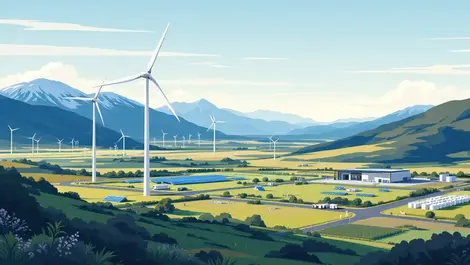
The project will add 93 MW of capacity and offset 100,000 tonnes of CO2 a year as MainPower begins site works near Waipara.
Private technology firms are poised to dominate infrastructure, as automation and data reshape jobs, services and investment across the sector.
Lockdowns are set to cut CO2 emissions by at least 5% this year, but any climate gain could be erased unless stimulus backs cleaner growth.
New roads, rail, schools and hospitals should help address years of underinvestment, though critics question whether USD $12 billion is enough.
Investors may pour more money into low-carbon projects this year, but election outcomes and climate shocks could still slow decarbonisation.
Long-term upgrades to tracks, trains and ferries could finally be unlocked as the government shifts rail funding away from annual budget battles.
Grid operators face mounting strain as battery electric vehicle demand is forecast to lift installed base above 100 million by 2029.
Demand for high-quality recycled plastics is rising as Borealis turns waste into branded consumer goods through key partnerships.
Australia faces a 1 percent of GDP infrastructure gap as rapid city growth, labour shortages and slower productivity strain new projects.
Urban developers face rising pressure to add renewable power, fibre and automation as tenants demand cheaper, smarter services.
Britain could cut aviation emissions and landfill use as a planned waste-to-fuels plant near Immingham seeks approval, creating 130 jobs.
The cancelled Waitaha project exposes how uncertain consents can waste years and millions for regional developers and renewables alike.
New draft carbon standards and a new expo zone will give New Zealand building owners practical steps towards net zero by 2050.
Flexible working could slash office costs and give staff a workspace near home, as Regus pitches on-demand offices to firms.